
Voters want cleaner local power—but not at the expense of affordability and reliability
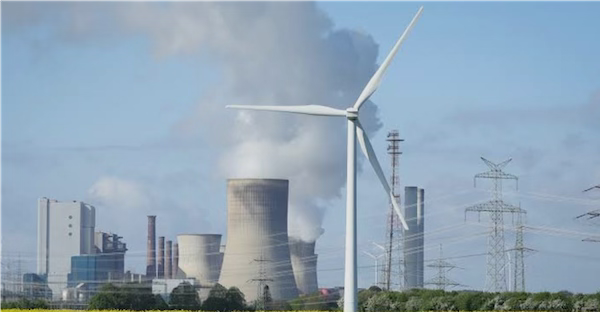
Public opinion on the nation’s energy priorities is split between those emphasizing reliability and an “all of the above” strategy, and those who prioritize using renewable power. However, when asked what types of power plants they would support being built in their area, Americans show a clear preference for perceived cleaner forms of power generation.
Why It Matters
The United States must rapidly expand electricity generation to meet growing demand from data centers, advanced manufacturing, and changing consumer behavior. While wind and solar enjoy strong local support, they face reliability and geographic limitations.
The data suggests policymakers should avoid over-committing to any single source and instead pursue a balanced strategy—leveraging renewables where feasible while expanding natural gas and next-generation nuclear to ensure affordability and reliability.
How to use this data
Policymakers can use these findings to design practical energy policies aligned with public desires: affordable, reliable power from a diverse mix of sources supported by a modern grid.
Researchers can also use this data to test how information, framing, and trade-offs influence public opinion on different forms of energy production.
Click on the image below to view the full data or read the summary below.

Americans Divided on National Energy Priorities
When asked whether the U.S. should prioritize all kinds of energy or focus mainly on renewables, respondents showed a split: 45% supported a balanced approach, while 48% favored emphasizing renewables.
Along party lines, 68% of Republicans prioritize using all types of energy; conversely, 68% of Democrats support using renewables.
People living in the Western part of the country show a stronger support for renewables at 54%, compared to 44% in the Midwest.
Cost and Reliability Rival Renewables in Importance
A split sample with different wording from the question above revealed a similar split. 47% of respondents preferred prioritizing affordable and reliable sources, slightly more than the 44% who supported focusing only on renewables.
65% of Republicans said they favor affordable, reliable energy, while 60% of Democrats favored renewable energy over affordable, reliable energy production.
Among those younger than 44, a majority of 51% favored renewables, while among those over 44, 51% opted for affordable energy.
Local Support Varies Sharply by Energy Source
While 57% support building new power plants in their area, the types of plants they would support vary.
Solar power plants enjoyed the highest support, at 80%, with only 15% opposed.
Wind power was also highly supported, with 74% in favor and only 21% opposed.
Natural gas plants received nearly two-thirds support at 64%, with 27% opposing, reflecting the role natural gas plays as a flexible, lower-carbon fossil fuel.
Nuclear power had divided opinion but still received a plurality of support at 46%, with 44% opposed.
Notably, given information about small modular nuclear reactors (SMR), 60% support building an SMR power plant in their area.
Coal plants were opposed locally, with just 36% in support and 55% against.
The Bottom Line
Americans want more power generation—but they want it done responsibly. Renewables lead in local support, while natural gas and next-generation nuclear offer pathways to reliability and affordability. The path forward isn’t choosing one source—it’s building a smarter mix.Want to explore the full results?